Understanding Hormonal Imbalance Tests for Women in 2025
What Women Need to Know About Hormonal Imbalance
Hormonal imbalance is a critical issue that affects women of all ages. It happens when there is too much or too little of certain hormones in the body. The impact of hormonal imbalance can be profound, influencing not only physical health but also emotional and mental wellbeing. Understanding the signs, causes, and treatments available can empower women to manage their health more effectively in 2025.
Many women experience symptoms such as irregular periods, fatigue, mood swings, or unexplained weight gain. Recent studies show that around 60% of women report experiencing symptoms related to hormonal changes at some point in their lives. Factors contributing to these fluctuations include stress, diet, lifestyle, and underlying medical conditions.
Understanding Hormonal Imbalance Test for Women
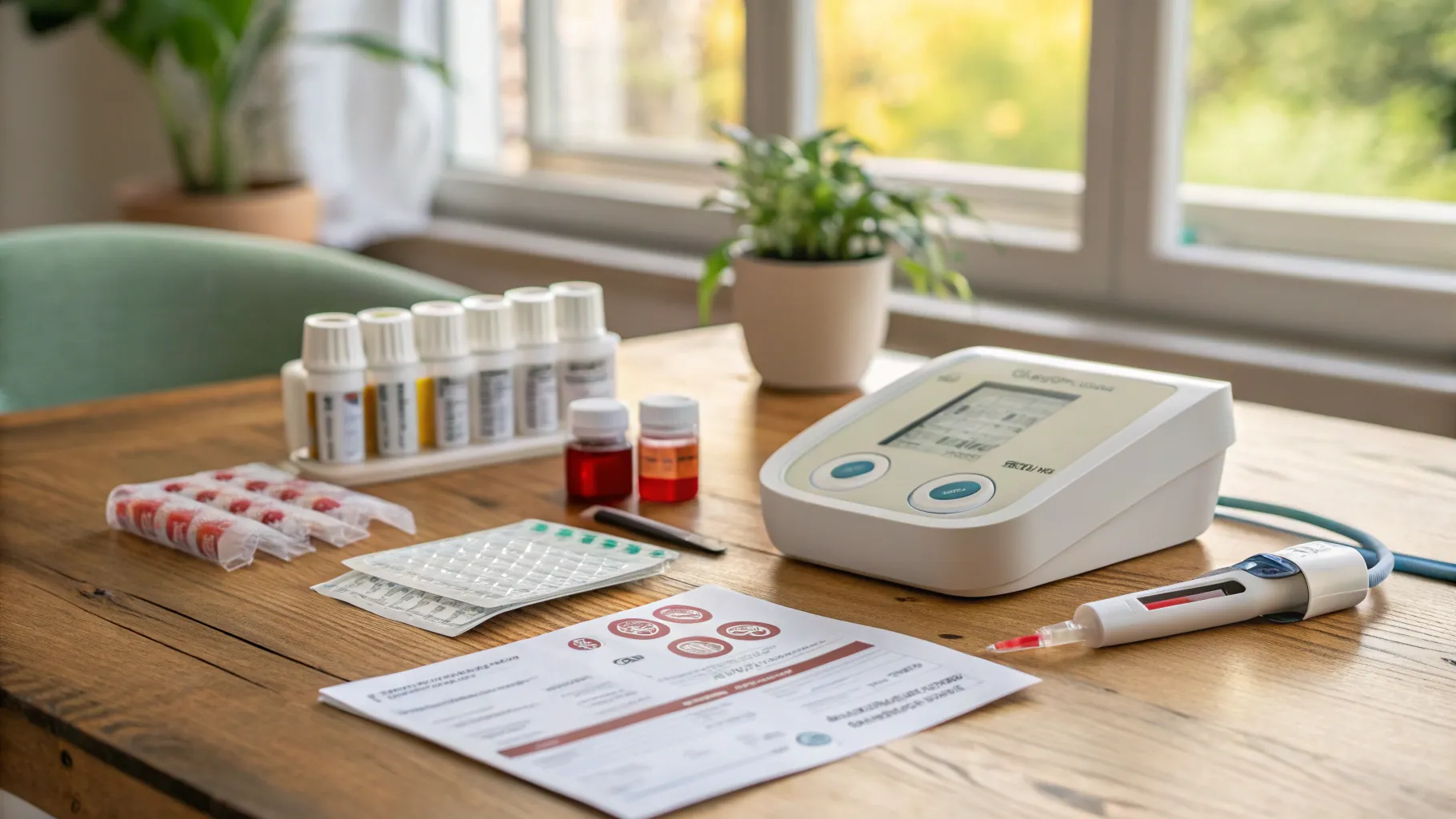
To properly address hormonal imbalances, testing is essential. A hormonal imbalance test often includes various hormone panel tests that evaluate estrogen, progesterone, testosterone, thyroid hormones, and cortisol levels. This approach helps identify specific imbalances and guides treatment decisions.
- Estrogen and Progesterone Tests: These are critical for women, particularly in assessing menstrual cycle regularity and overall reproductive health. Obtaining accurate levels can reveal conditions such as estrogen dominance or luteal phase defects.
- Thyroid Hormone Testing: The thyroid plays a significant role in metabolism and energy levels, making it important to assess any issues with TSH, T3, and T4 levels.
- Cortisol Levels: Often dubbed the stress hormone, cortisol levels can influence how women respond to stress, fatigue, and even weight management.
Women should consult a female hormone specialist who can provide personalized recommendations based on these tests. Accessing a hormonal imbalance treatment clinic can help streamline this process, ensuring women receive comprehensive care tailored to their unique bodies and needs.
Hormone Panel Testing Cost
The costs associated with hormone panel testing can vary widely depending on location and the specific tests performed. Generally, it can range from $100-$500. However, many health insurance plans cover hormone testing, especially if there are evident symptoms or medical histories that indicate a need for evaluation.
Considering the potential health benefits, many women find the investment worthwhile. For example, by identifying imbalances early, women can adopt lifestyle changes, such as dietary adjustments and exercise, or pursue medical interventions before more severe issues develop.
Recognizing the Symptoms of Hormonal Imbalance
Recognizing the symptoms is crucial for early intervention. Here are some common signs of hormonal imbalance:
- Irrregular Menstrual Cycle: Fluctuations in cycle length, missed periods, or heavy bleeding can indicate imbalances.
- Unexplained Weight Changes: Weight gain or loss without changes in diet or activity levels may be hormone-related.
- Mood Swings: Emotional changes, such as increased anxiety and irritability, can be signs of hormonal fluctuations.
- Fatigue: Persistent tiredness not linked to lifestyle factors can stem from imbalances.
- Sleep Issues: Hormonal levels can significantly impact sleep quality and duration.
- Skin Changes: Many women experience acne, dryness, or other skin issues due to hormone fluctuations.
If you identify several of these symptoms, consider visiting your doctor for a thorough evaluation. Quick action can lead to better outcomes, potentially preventing more severe conditions down the line.
Seeking Hormonal Imbalance Treatment
Once a diagnosis is confirmed through testing, treatment options may include lifestyle changes, supplements, or hormone replacement therapies. The most effective treatments are tailored to the individual, taking into consideration factors such as age, health history, and lifestyle.
Many treatment clinics now offer integrated approaches that include nutrition counseling, exercise programs, and holistic options alongside traditional medical treatments. This multifaceted strategy can substantially improve overall health and wellbeing.
Case Study Example:
A 30-year-old woman named Sarah visited a hormonal imbalance treatment clinic after struggling with irregular periods and mood swings for over a year. After hormone panel testing, it was revealed that her progesterone levels were significantly low. Based on this, her doctor suggested a combination of dietary modifications, stress reduction techniques, and progesterone therapy. Within six months, Sarah reported improved emotional balance, regular cycles, and a renewed sense of vitality.
This example illustrates how effective assessment and tailored treatment can lead to significant improvements in quality of life. Finding specialized care can empower women to reclaim their health, combat symptoms, and lead fulfilling lives.
Moving Forward with Knowledge
In 2025, it is essential for women to remain informed about their hormone health. Awareness and early detection are key components in managing hormonal imbalances effectively. With the support of professional specialists and a proactive approach to health, women can navigate these challenges and enhance their overall wellbeing. Regular testing and seeking help can transform lives, paving the way for better health outcomes and enhanced quality of life.
In summary, understanding hormonal imbalance is crucial for every woman. From recognizing the core symptoms to seeking hormone panel testing and effective treatments, knowledge is power. Addressing hormonal imbalances can lead to significant improvements in overall health as women embrace lasting changes. Be proactive — because your health deserves to be a priority.
Authored by The List Radar team