Hormonal Imbalance Test for Women What You Need to Know
Understanding Hormonal Imbalance Test for Women
Living with a hormonal imbalance can dramatically affect a woman's daily life, influencing mood swings, energy levels, reproductive health, and even weight management. As of 2025, it’s crucial for women to understand not only the symptoms of hormonal imbalance but also the testing options available, and the subsequent treatment plans that can help restore balance. Awareness of these factors is key to reclaiming one's health and well-being.
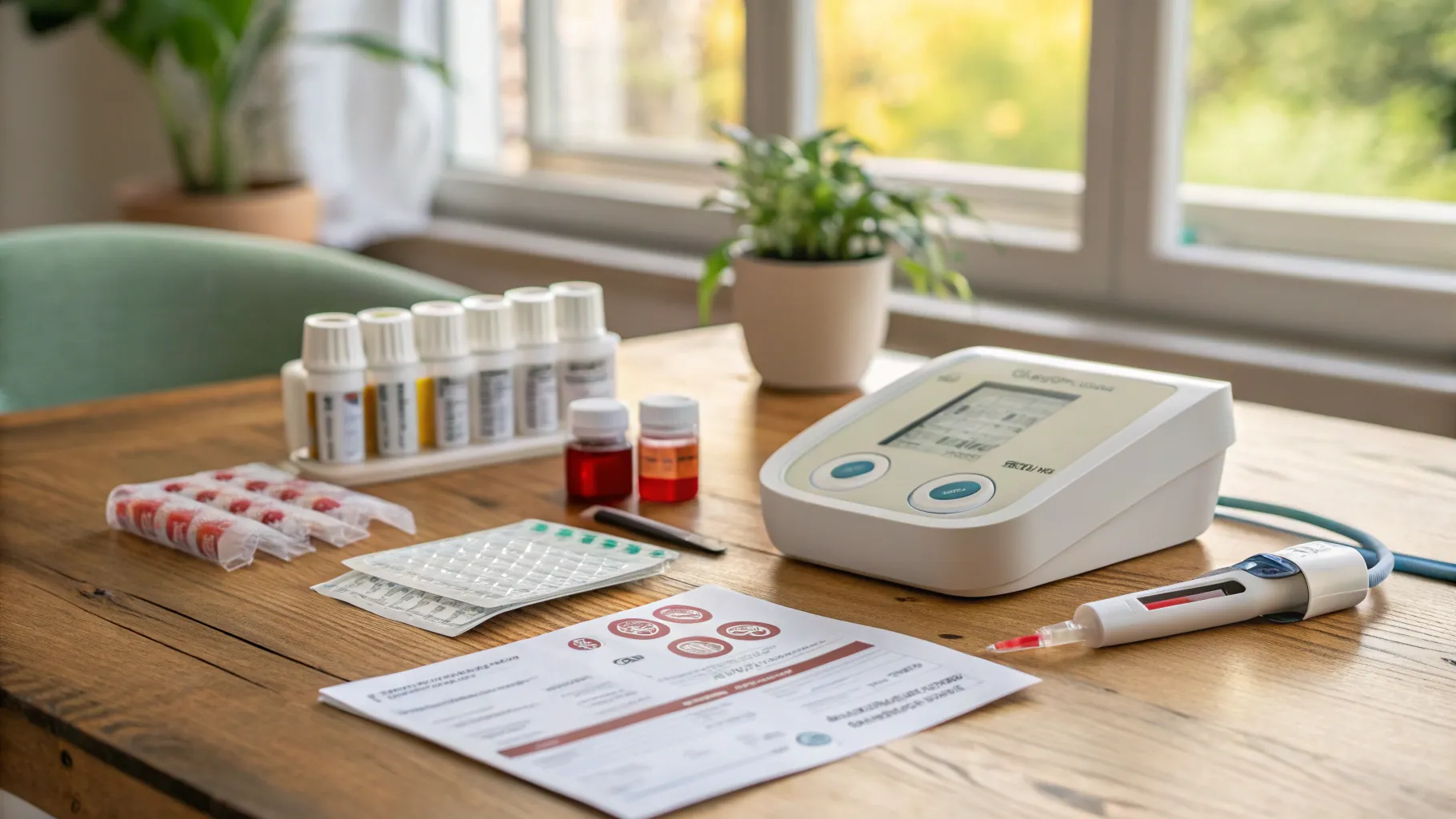
What Every Woman Should Know About Hormonal Imbalance
Hormones act as the body's chemical messengers, orchestrating numerous functions such as metabolism, growth, mood stabilization, and sexual health. An imbalance occurs when hormone levels deviate from their normal ranges, either becoming too high or too low. Common signs signaling a hormonal imbalance can manifest in various ways:
- Irregular menstrual cycles or heavy bleeding
- Unexpected weight fluctuations, whether gaining or losing
- Persistent fatigue or difficulties with sleep patterns
- Frequent mood changes, including anxiety or depression
- Hot flashes or night sweats, especially during menopause
- Changes in skin health, such as acne breakouts or dryness
Current studies indicate that approximately 60% of women at some point in their lives may experience hormonal imbalances, particularly during significant life transitions such as puberty, pregnancy, or menopause. Recognizing these symptoms is the first crucial step toward seeking help.
Hormonal Imbalance Test for Women
If you find yourself experiencing the aforementioned symptoms, a hormonal imbalance test can be a straightforward way to gain insights into your hormonal health. The most prevalent types of hormone testing include:
- Blood Tests: These are the most frequently administered tests that involve drawing blood to evaluate levels of estrogen, progesterone, testosterone, and thyroid hormones. Blood tests are generally reliable and widely available.
- Saliva Tests: These tests measure hormone levels through saliva samples, primarily focusing on cortisol and sex hormones. Saliva tests are less common but can still provide valuable insights into hormonal fluctuations.
- Urine Tests: A 24-hour urine test can offer a comprehensive view of hormone levels over the course of an entire day, which can be beneficial for assessing adrenal hormones.
Many women consider the costs associated with hormone panel testing before making appointments. Typically, blood hormone panels can range anywhere from $100 to $300, depending on the specific tests ordered and geographic location. In 2025, many insurance plans have begun to cover these tests, alleviating some of the financial burden. It's always a good idea to discuss coverage options with your healthcare provider to avoid unexpected expenses.
Estrogen and Progesterone Test for Women
The estrogen and progesterone test is particularly critical for women, especially those contemplating pregnancy or managing menopause symptoms. These hormones are integral in regulating the menstrual cycle and supporting reproductive health. For instance, insufficient estrogen levels can lead to symptoms such as hot flashes, mood imbalances, and weight gain. Meanwhile, an inadequate level of progesterone may cause irregular periods and complications with conception.
A notable case study conducted over the past year showed that 40% of women undergoing infertility treatments had significantly low progesterone levels, indicating a direct connection to their difficulties in conceiving. This data underscores the importance of these tests; understanding one’s hormone levels can provide essential insights into reproductive health.
Finding a Female Hormone Specialist
When hormonal imbalances are suspected, consulting with a female hormone specialist is vital. These experts are skilled in evaluating hormonal levels, interpreting test results, and recommending appropriate interventions. Many healthcare centers now offer a comprehensive range of services, including lifestyle and nutritional counseling alongside medical advice tailored to individual needs.
Additionally, the rise of telemedicine in 2025 empowers patients by allowing them to connect with specialists remotely, offering convenience and comfort for women with busy schedules or those seeking privacy. This format also expands access to specialists who can provide critical insight into hormonal health.
Effective Hormonal Imbalance Treatment Options
Hormonal imbalance treatment varies significantly based on underlying causes, individual symptoms, and overall health status. Here are some commonly recommended treatment options:
- Hormone Replacement Therapy (HRT): HRT aims to replenish estrogen and progesterone levels, particularly beneficial for women experiencing menopause. According to recent findings, HRT can alleviate many uncomfortable symptoms associated with hormonal imbalance.
- Medications: For various hormonal disorders, medications such as birth control pills may help regulate cycles, reduce heavy bleeding, and manage other symptoms like acne.
- Lifestyle Modifications: Adopting a diet rich in nutrient-dense whole foods, maintaining an active lifestyle, and implementing stress management practices can significantly enhance hormonal balance. Activities like yoga or meditation can be particularly effective in lowering cortisol levels.
- Natural Supplements: Many women may explore herbal supplements, including black cohosh or evening primrose oil, as natural alternatives. It's essential to consult with a healthcare provider before starting any supplementation to ensure safety and efficacy.
For those seeking help, many clinics focus on holistic approaches for hormonal imbalance, integrating multiple strategies into a coherent plan tailored to each individual's needs. These clinics strive not only to address immediate symptoms but also to promote long-term hormonal health and balance.
In a world increasingly aware of hormonal health issues, women must stay informed about their bodies, pursue testing when necessary, and engage with specialists who can offer guidance. As more integrative health practices evolve and become widely available, achieving and maintaining hormonal balance is becoming more accessible than ever before.
Authored by The List Radar team