Essential Guide to Hormonal Imbalance Testing for Women
Understanding Hormonal Imbalance Test for Women
Hormones are vital messengers in the body that regulate everything from mood and energy levels to reproductive health and metabolism. For women, maintaining the right balance of hormones is essential for overall health. Although hormonal imbalances can affect anyone, women are particularly susceptible due to various life stages and changes such as menstruation, pregnancy, and menopause. This article aims to provide insight into what women need to know about hormonal imbalances, especially regarding testing options available today.
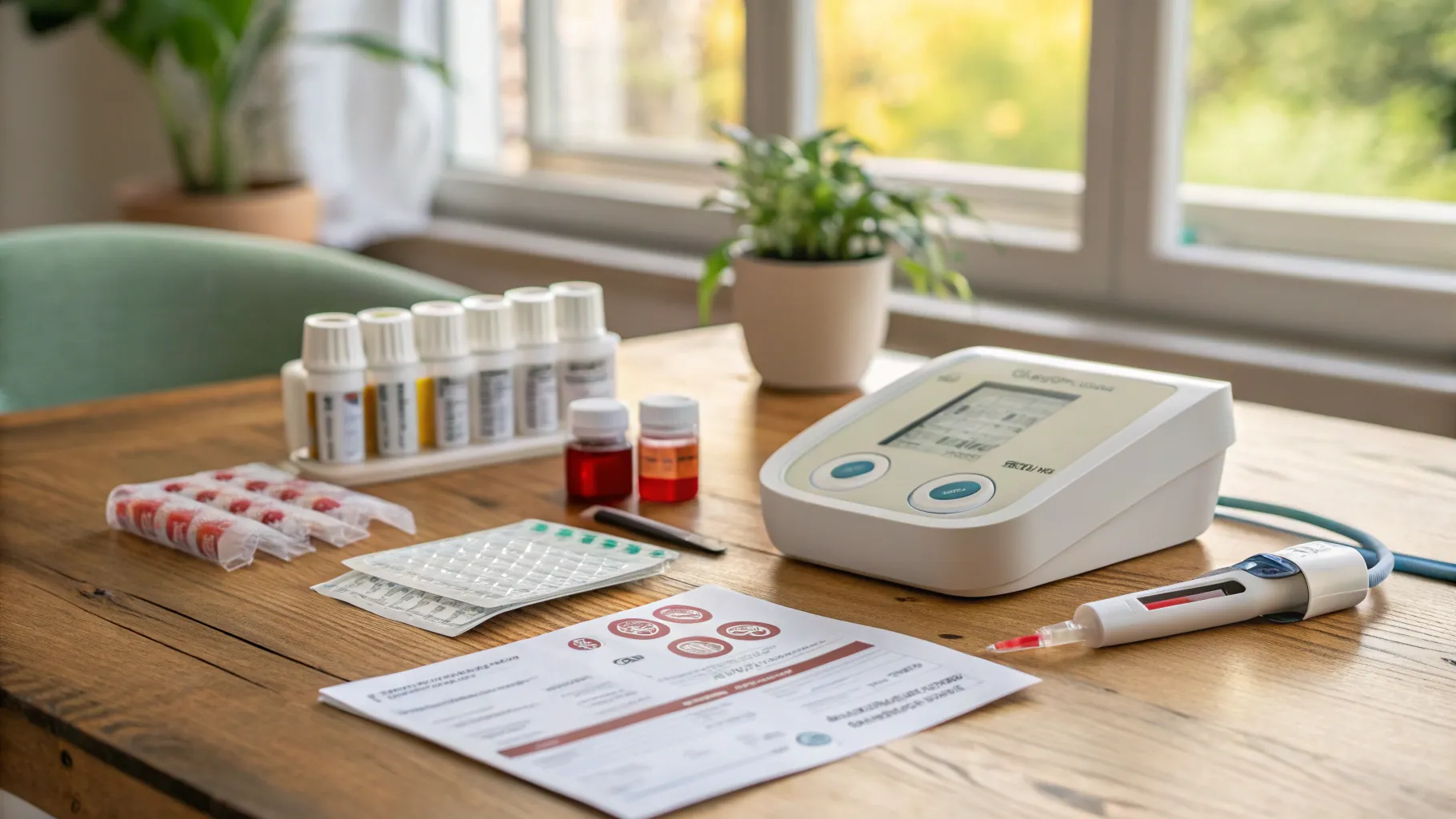
What Women Need to Know About Hormonal Imbalance
Hormonal imbalances can occur for various reasons, including stress, diet, lifestyle changes, and underlying health conditions. Common symptoms that may indicate a hormonal imbalance in women include:
- Irregular menstrual cycles or heavy periods
- Fatigue and sleep disturbances
- Weight gain or difficulty losing weight
- Mood swings, anxiety, or depression
- Hot flashes or night sweats
- Decreased libido or sexual dysfunction
If you are experiencing any of these symptoms, it could be beneficial to speak with a healthcare provider about hormone panel testing.
Hormonal Imbalance Test for Women
A hormonal imbalance test for women typically involves blood tests that measure levels of various hormones, including estrogen, progesterone, testosterone, and thyroid hormones. These tests help to identify imbalances that could lead to specific health issues.
In 2023, many clinics and laboratories offer comprehensive hormone panel testing. These tests usually include:
- Estrogen and Progesterone Test: Essential for assessing ovulation and reproductive health.
- Testosterone Levels: Important for libido and overall energy.
- Thyroid Function Tests: To evaluate metabolic rate and energy levels.
- Cortisol Testing: To examine stress hormone levels which may affect weight and health.
The accuracy and effectiveness of these tests can lead to tailored treatment options that address the root cause of the hormonal imbalance.
Understanding Hormone Panel Testing Costs
The cost of hormone panel testing often varies based on the components included in the panel and the location of the testing laboratory or clinic. On average, women can expect to pay anywhere from $100 to $500 for a comprehensive hormone panel. Many insurance plans might cover the cost of laboratory tests, especially if they are deemed medically necessary.
For many women, investing in hormone testing is essential. Early detection can lead to quicker treatment and better health outcomes. It’s also important to note that some clinics offer payment plans or sliding scales based on income, making these essential tests more accessible.
Finding a Female Hormone Specialist
Once a hormonal imbalance is suspected, the next step is often to consult a female hormone specialist or an endocrinologist. These experts are trained to understand the complex interactions between various hormones and can provide targeted diagnosis and treatment options.
In the last six months, there has been a noticeable increase in demand for female hormone specialists due to the growing awareness around hormonal health. Many clinics now prioritize creating a supportive environment for women, ensuring they feel comfortable discussing sensitive issues related to hormonal health.
When looking for a specialist, consider seeking recommendations from friends, family, or general practitioners. Reading patient reviews and checking credentials can also help in making an informed choice.
Hormonal Imbalance Treatment: Real-World Examples
Treatment plans for hormonal imbalances can vary significantly depending on the individual's specific needs. Some women may benefit from lifestyle changes, such as adjustments in diet and exercise, while others might require medications or hormone replacement therapy.
In a recent case study published in early 2025, a 35-year-old woman struggled with severe PMS symptoms due to a hormonal imbalance. After comprehensive testing, her healthcare provider prescribed a tailored regimen of dietary changes and hormone therapy. Within three months, she reported significant improvements in her symptoms, including reduced mood swings and more regular menstrual cycles. This example illustrates the value of personalized treatment plans based on thorough hormonal evaluations.
Another case involved a 42-year-old woman experiencing early menopause symptoms, primarily due to an imbalance in estrogen levels. After undergoing an estrogen-progesterone test, she was placed on a hormone replacement plan that helped manage her symptoms effectively. Regular follow-ups ensured that her treatment was continually adjusted to meet her needs.
Harmonizing Health: The Path Ahead
As awareness about hormonal health continues to grow, more women are taking proactive steps to understand and manage their hormonal imbalances. With the advent of technology, at-home hormone testing kits have also gained popularity, allowing women to track their hormone levels from the comfort of their homes. However, consulting a healthcare professional for conclusive testing and advice is essential.In 2025, there are more resources available than ever before, from educational websites to local clinics, aimed at helping women achieve balance in their hormonal health.
In summary, understanding hormonal imbalances, pursuing effective testing, and engaging with specialists are vital steps for women navigating their health journey. With ongoing support and proper treatment, they can enjoy a better quality of life, free from the constraints of hormonal imbalances.
Authored by The List Radar team